What a shine is, and why On2 dancers care so much
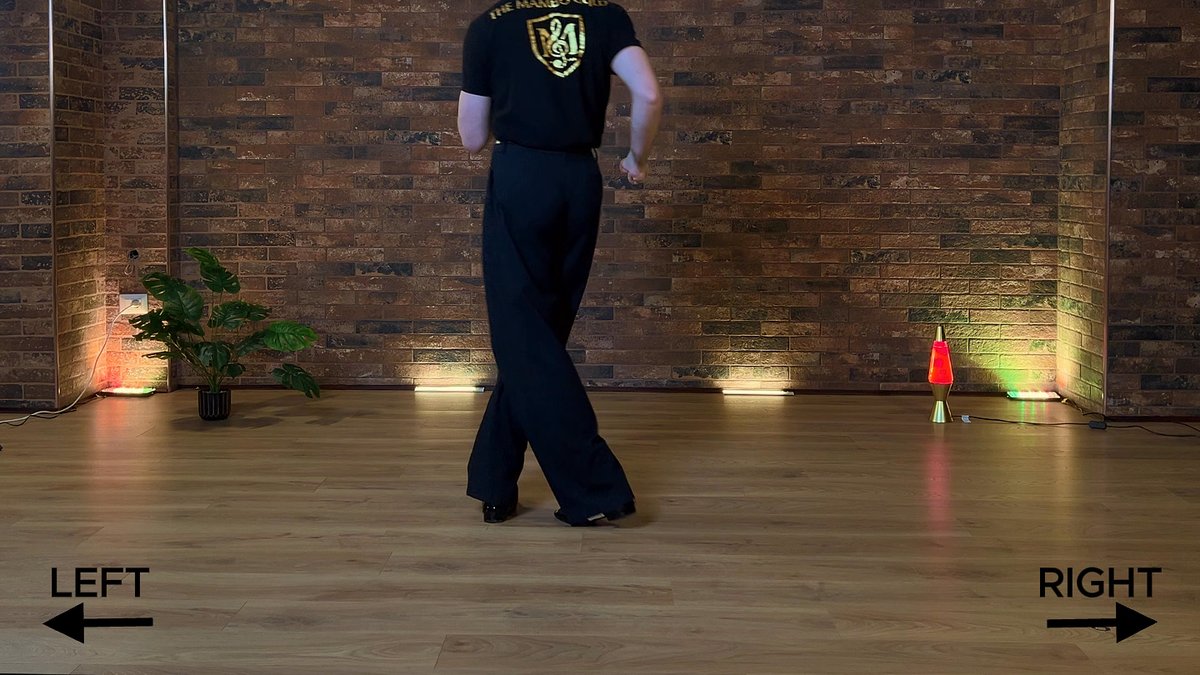
A shine is any footwork you dance without holding your partner. The word comes from the Palladium era, when a couple would separate mid-song so each dancer could "shine" with solo steps, then reconnect. In New York Style salsa, shines are not a decoration added after partner work. They are where technique is built: timing, weight transfer, posture and musicality are all trained solo, then carried into the partnership. This is why the Eddie Torres system treats them as a subject in their own right (more on the system here).
There are hundreds of named shines. What follows is the dozen that form a beginner's vocabulary, in the order the Mambo Guild teaches them, with the definition of each pulled from the lesson notes. Every name links to its glossary entry, where the full definition and the class that teaches it live.
The twelve, in teaching order
- Basic step. "The basic step has three stages, Step in place Breaks on 2 and 6 Step back to your original position." Everything else is a variation on this frame. If it wobbles, everything wobbles.
- Forward and back break and side step. "The breaking motion of the basic step, a forward break and a back break on counts 2 and 6", and "a simple step to the side used as a connecting element between moves in combinations". Together they teach you that the break can point in any direction as long as it lands on the 2.
- Chord step. "Before the Suzy Q, you learn the chord step: a cross on the downbeats, 1, 3, 5, 7." The crossing action here is the mechanic the next four shines reuse.
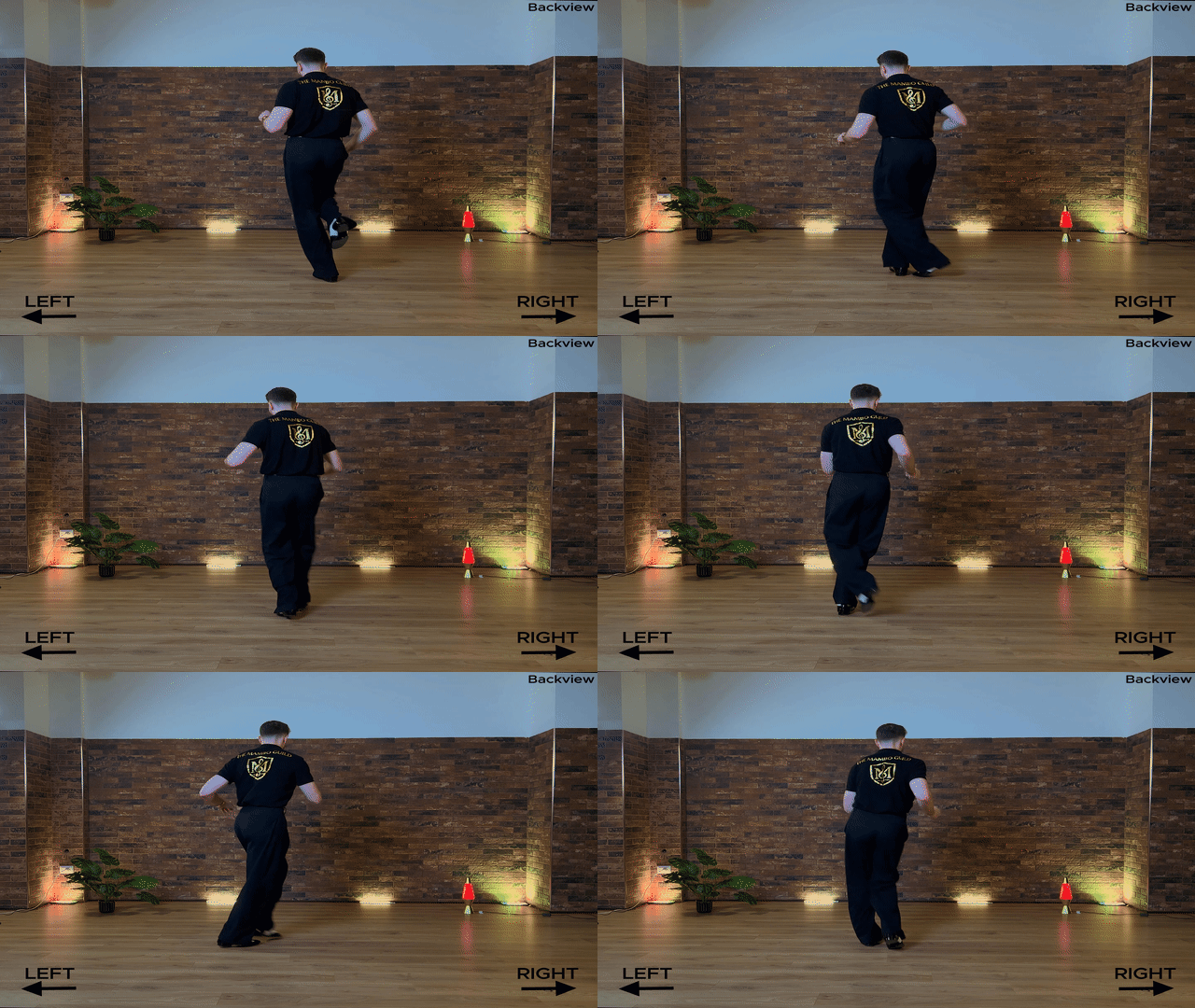
- Suzy Q. "The Suzy Q pattern: cross, back, cross. Back step lands on the toe only so your weight stays over the front leg. Curl the knee up first, then cross." The single most recognisable shine in salsa and the first one that makes you look like a dancer.
- Cross step. "A step where one foot crosses over the other, often a chord step landing on count 3. It appears in the Suzy Q and as a small cleanup detail at the start of Heel Twist entries."
- Tap. "A tap is a step without a weight change. Foot touches the floor, weight stays on the standing leg." Taps are the first way of decorating the silent counts without breaking the timing.
- Flare. "A Flare is a tap away from the body, no weight change. Originates from the knee. Straight leg, pointed foot." The first shine that exposes a locked standing knee.
- Kick. "Unlike a flare, the kick snaps back instantly, like a rubber band on the ankle. Straight leg, straight ankle, pointed foot."
- Heel twist. "The Heel Twist uses the same hip mechanic as your Suzy Q and Crossover. Straighten that leg. Flex your foot." This is why it comes after the Suzy Q and not before it.
- Swing step. "A step that runs on all 8 counts with no held beats. Beats 5 and 1 are power accents where you rise up and open the arms for a signature bounce. It can travel front-to-back or on diagonals." The bridge to the syncopated shines of the intermediate course.
- Right turn. "Your first turn is a Right Turn and it's built directly on your basic step. On count 2, open your body slightly to the left. Step back on your right leg on 3, place your weight, and pivot through the turn." Turns are shines too: a dancer who turns cleanly alone turns cleanly with a lead.
- Left turn. "The Left Turn preps to the right. The Left Turn is slower than the Right Turn; more time to complete it. The Left Turn finishes on count 5." Most beginners find it the harder of the two.
Why the order matters
Each of these steps reuses a mechanic from the one before it. The chord step introduces the cross; the Suzy Q is built on it; the heel twist, in the words of its own notes, "uses the same hip mechanic as your Suzy Q"; the flare and the kick are both taps with the leg sent away from the body; the right turn is "built directly on your basic step". Learn them out of order and you spend weeks fighting mechanics you have not built yet. Learn them in order and each new shine takes days, not weeks. This is what "structured" means in practice, and it is the difference between a curriculum and a video library.
Timing first, always
A shine danced off the 2 is not a shine, it is a stumble with a name. Before adding any step from this list, be able to dance the basic to unfamiliar music at social tempo without counting. How to hear the 2 is the prerequisite.
How to drill a new shine
- Slow, no music, counting aloud. Get the feet in the right places. Two minutes.
- Slow, with music, eyes on your chest in the mirror. If the shoulders move, the step is too big. Three minutes.
- Alternate it with the basic. Four counts of basic, four of the shine, at social tempo. This is how it will appear in a song. Three minutes.
- Chain it with one shine you already own. Suzy Q into flare, cross step into heel twist. The chain is what makes footwork look like dancing rather than an exercise. Two minutes.
Ten minutes a day is enough. The science of why short, slightly-too-hard sessions beat long comfortable ones is in The 85% Rule. If you have no partner, none of this needs one, and this guide covers the rest of a solo practice week.
After the twelve
The intermediate vocabulary is where the names get colourful: the Palladium drop, the tres tres, the kickball change, the Mambo jazz, syncopated versions of the Suzy Q, the flare and the heel twist. Every one of them is a beginner shine with a syncopation, a level change or a direction change added. The twelve above are the alphabet; the rest is spelling. Salsa Footwork 101 teaches the alphabet across 23 modules; 201 and 301 do the spelling.
Frequently asked questions
What are shines in salsa?
Shines are solo footwork steps danced apart from a partner. The name comes from the Palladium era, when couples separated mid-song so each dancer could shine alone. In New York Style salsa they are the foundation of technique, not a decoration.
What is the easiest salsa shine to learn first?
The chord step, then the Suzy Q. The chord step is "a cross on the downbeats, 1, 3, 5, 7", and the Suzy Q ("cross, back, cross") is the first named shine most beginners learn because it is built on that crossing action.
How many shines should a beginner know?
About a dozen, danced cleanly on the 2, is a solid beginner vocabulary: basic, forward and back break, side step, chord step, Suzy Q, cross step, tap, flare, kick, heel twist, swing step, right and left turns. Depth beats breadth: twelve clean shines beat forty sloppy ones.
Are shines the same in On1 and On2?
The steps are the same; only the beat you break on changes. A Suzy Q is a Suzy Q in both timings. Dancers switching from On1 to On2 keep their entire shine vocabulary and only move the break step.
Can I learn salsa shines without a partner?
Yes. Shines are the part of salsa designed to be practised alone. Timing, weight transfer and posture are all trained solo in front of a mirror, which is why the Mambo Guild footwork courses need no partner at all.
Start your On2 path
The twelve shines, taught in the order that stacks.
800+ lessons, visual Skill Tree, weekly new drops. Taught by a 2x European Champion. 7-day free trial, cancel in two clicks.
Start 7-day free trial